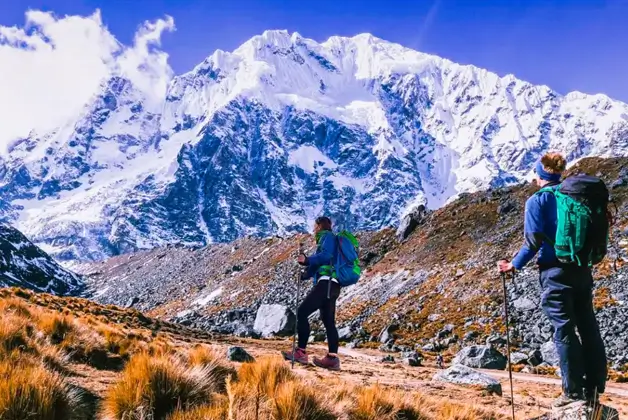
Salkantay Trek 4 Days – Best Inca Trail Alternative
A Breathtaking 4-Day Andean Adventure to Machu Picchu
Price
$360
Children $340
Student
The entrance ticket to Machu Picchu is included in the Salkantay Trek 4 Days. However, the specific Machu Picchu circuit depends on real-time availability at the moment your reservation is confirmed.
Machu Picchu is visited through several official circuits regulated by the Peruvian Ministry of Culture. When processing your booking, we always secure the best available circuit according to the priority order below.
- Top Priority: Machu Picchu Circuit 2 – Classic / Route 2-A . Includes the iconic panoramic viewpoint and a complete guided visit of the Inca citadel.
- High Priority: Machu Picchu Circuit 2 – Classic / Route 2-B (Lower Terrace) . Very similar to Route 2-A, with a slightly different path through the urban sector.
- Standard Priority: Machu Picchu Circuit 1 – Panoramic / Route 1-B (Upper Terrace) . Includes the classic viewpoint but does not allow entry into the citadel.
- Alternative Priority: Machu Picchu Circuit 3 – Royalty / Route 3-B (Designed Royalty) . Visits the lower sector of Machu Picchu without access to the classic viewpoint.
- Specialty Route: Machu Picchu Circuit 1 – Route 1-A (Machu Picchu Mountain) . Includes the mountain hike with panoramic views but does not include the citadel.
- Specialty Route: Machu Picchu Circuit 3 – Route 3-A (Huayna Picchu Mountain) . Includes the Huayna Picchu hike and a short visit of the lower sector of the citadel.
If the Classic Machu Picchu Circuit (Circuit 2) is especially important to you, we strongly recommend booking at least four months in advance, as this circuit has the highest demand and sells out first.
Tour Photos


Price
The Salkantay Trek 4 Days / 3 Nights with return to Cusco by train is offered at the following per-person rates. Pricing is based on shared service and includes all standard services described on this page.
- Adult: USD 360 per person
-
Student: USD 340 per person
Valid student ID required at the time of booking and check-in. - Child (3–17 years): USD 340 per person
All prices are per person and subject to availability at the time of reservation. This trek operates with a minimum of two travelers. The Machu Picchu entrance ticket is included, while the assigned circuit depends on availability at the time of booking.
What Is Included?
The Salkantay Trek 4 Days includes all essential services to ensure a safe, comfortable, and well-organized trekking experience to Machu Picchu. Every detail is carefully planned so travelers can focus on enjoying the Andean landscapes and the adventure.
- Pre-trek briefing at your hotel in Cusco the night before departure
- Hotel pickup in Cusco on the first day of the trek
- Private transportation from Cusco to Challacancha, the trek starting point
- Professional English-speaking trekking guide throughout the route
- All meals during the trek: 3 breakfasts, 3 lunches, and 3 dinners
- Pack horse service to carry up to 6 kg (13 lbs) of personal luggage per traveler
This all-inclusive approach makes the Salkantay Trek one of the most popular and reliable alternatives to the Classic Inca Trail, ideal for hikers seeking adventure, organization, and value.
What is not included?
The following items and services are not included in the Salkantay Trek 4 Days. These exclusions and notes are provided to ensure full transparency and help travelers prepare properly for the trek.
- Entrance ticket to Humantay Lagoon, paid directly to the local community of Mollepata on Day 1. The cost is S/. 20.00 for foreigners and S/. 10.00 for Peruvians. Payment must be made in cash and in Peruvian soles.
- Breakfast on the first day and lunch on the final day.
- Bottled drinking water and personal snacks during the trek. Water for hot and cold drinks is provided at each meal. Bottled water may be purchased along the route, or travelers may bring a water filter or purification tablets.
- Entrance to Huayna Picchu Mountain (optional hike, subject to permit availability).
- Entrance to Machu Picchu Mountain (optional and separate from the Machu Picchu citadel ticket).
- Bus tickets to and from Machu Picchu citadel.
- Sleeping bag. If you do not have a suitable sleeping bag for mountain conditions, you may rent one from us. Our sleeping bags are designed for cold temperatures and are effective down to -10°C (14°F). Rental cost: USD 15 for the entire trek.
- Trekking poles / walking sticks. Professional, adjustable trekking poles are available for rent and are highly recommended for steep and uneven terrain. Rental cost: USD 15 for the entire trek.
- Train ticket from Hidroelectrica to Aguas Calientes (optional). This option is recommended for travelers who feel tired after the final hiking section. Cost is paid locally.
- Salkantay entrance fee charged by the local municipality (S/. 10.00 Peruvian soles).
- Hot springs entrance fee on Day 3 (S/. 10.00 Peruvian soles).
- Internet access. There is no cell signal from the morning of Day 1 until reaching the second campsite. Limited Wi-Fi may be available at the second camp for approximately S/. 10.00. Signal generally returns after Day 3.
- Showers along the trail. Campsite toilets are free, but locals may charge a small fee along the route. Hot showers are available at the second camp for approximately S/. 10.00; cold showers are free. There are no showers at the first camp due to low temperatures.
- Travel and medical insurance. This is not included and is strongly recommended to be purchased in your home country.
- Tips for guides, cooks, and horsemen. Tips are optional but customary on multi-day treks in Peru.
- Additional expenses or delays caused by factors beyond our control, including weather conditions, landslides, itinerary changes for safety reasons, illness, government regulations, strikes, or other force majeure events.
The entrance ticket to Machu Picchu citadel is included in the Salkantay Trek 4 Days. Optional mountain hikes and community-managed attractions require separate payments.
The Salkantay Trek 4 Days itinerary combines high-altitude mountain passes, glacial lakes, cloud forest, and a guided visit to Machu Picchu. Distances, altitude, and difficulty levels are shown clearly so travelers know exactly what to expect each day.
Day 1: Cusco – Mollepata – Challacancha – Soraypampa – Humantay Lagoon
Distance: ~12 km (7.5 miles) | Highest altitude: 4,220 m (13,845 ft) | Difficulty: Moderate
Hotel pickup at around 4:30 a.m., breakfast in Mollepata, and transfer to Challacancha. The hike continues to Soraypampa (3,900 m) with lunch along the way. In the afternoon, hike to Humantay Lagoon for acclimatization and panoramic views. Total hiking time is approximately six hours.
Day 2: Soraypampa – Salkantay Pass – Huayracmachay – Chaullay
Distance: ~18 km (11.2 miles) | Highest altitude: 4,650 m (15,255 ft) | Difficulty: Challenging
The most demanding day of the trek. After breakfast, hike to the Salkantay Pass, the highest point of the route, with spectacular glacier views. After lunch in Huayracmachay, descend through valleys and waterfalls to the campsite in Chaullay.
Day 3: Chaullay – Playa Sahuayaco – Santa Teresa – Hidroelectrica – Aguas Calientes
Distance: ~16 km (10 miles) | Lowest altitude: ~2,040 m (6,693 ft) | Difficulty: Moderate
The landscape changes to lush jungle as you hike through the Santa Teresa Valley, passing coffee, banana, avocado, coca, and passion fruit plantations. After lunch at Playa Sahuayaco, local transport and a flat walk lead to Aguas Calientes for dinner and overnight.
Day 4: Machu Picchu – Ollantaytambo – Cusco
Walking time: ~2–3 hours (optional ascent) | Altitude: 2,430 m (7,972 ft) | Difficulty: Easy to Moderate
Early ascent to Machu Picchu on foot to see the sunrise or by bus. Enjoy a guided tour of approximately two hours, followed by free time to explore the citadel. In the afternoon, return by train to Ollantaytambo and transfer back to Cusco.
| Day | Route | Distance | Max Altitude | Difficulty | Overnight |
|---|---|---|---|---|---|
| Day 1 | Cusco – Soraypampa – Humantay Lagoon | ~12 km | 4,220 m | Moderate | Soraypampa |
| Day 2 | Soraypampa – Salkantay Pass – Chaullay | ~18 km | 4,650 m | Challenging | Chaullay |
| Day 3 | Chaullay – Hidroelectrica – Aguas Calientes | ~16 km | ~2,040 m | Moderate | Aguas Calientes |
| Day 4 | Machu Picchu – Cusco | Variable | 2,430 m | Easy–Moderate | — |
Distances and hiking times are approximate and may vary depending on weather, trail conditions, and group pace.
This Salkantay Trek packing list will help you prepare properly for the Salkantay Trek 4 Days, a high-altitude adventure with varying weather conditions. Packing the right gear is essential for comfort, safety, and enjoyment throughout the trek to Machu Picchu.
Essential Documents and Daypack Items
- Original passport, valid for the entire duration of your trip
- Student ID, if you booked the student discount
- Comfortable daypack (maximum 25L for Machu Picchu entrance)
- Water storage system for 1.5–2 liters (Camelbak or refillable bottles)
- Headlamp or flashlight with spare batteries
- Sturdy hiking boots with good traction, already broken in
Duffel Bag (Carried by Horses – Up to 7 kg)
- 2–3 moisture-wicking t-shirts
- 2–3 pairs of hiking pants
- 3 sets of underwear and hiking socks
- Warm fleece jacket and insulated down jacket for cold nights
- Waterproof rain jacket and rain pants
- Sun hat and warm wool hat
- Comfortable shoes or sandals for camp
Additional Gear and Equipment
- Sleeping bag rated to at least -10°C (14°F)
- Waterproof gloves
- Quick-dry towel
- Reusable plastic bags for waterproofing and organization
- Portable battery charger or power bank
Toiletries and Personal Care
- Sunscreen, lip balm, and face moisturizer
- Insect repellent
- Hand sanitizer and wet wipes
- Toothbrush, toothpaste, and toilet paper
- Personal medication and a small first-aid kit
Inside Your Daypack During the Trek
- Water for the first morning of the trek
- Rain gear and warm layers
- Camera or smartphone
- Extra cash for small purchases, entrances, and tips
- Earplugs for sleeping at campsites
Helpful Packing Tips: Waterproof your belongings, keep frequently used items easily accessible, and always wear well-fitted footwear to prevent blisters. Packing efficiently will make your Salkantay Trek 4 Days more comfortable and enjoyable.
The Salkantay Trek 4 Days is a moderate to challenging high-altitude trek, suitable for travelers with a reasonable level of physical fitness. No technical skills are required, but participants should be comfortable hiking for several hours per day on uneven terrain at elevations reaching 4,650 meters (15,255 feet).
Difficulty compared to the Inca Trail: The Salkantay Trek is generally considered more physically demanding than the Classic Inca Trail due to higher altitude, longer daily distances, and steeper ascents—especially on the day crossing Salkantay Pass. However, it is also less crowded and more flexible, without strict permit quotas, making it a popular choice for hikers who want a greater sense of adventure and better value. Travelers who can comfortably complete the Inca Trail can usually complete the Salkantay Trek with proper acclimatization.
Daily hiking distances range from 12 to 18 kilometers (7–11 miles). Acclimatizing in Cusco or the Sacred Valley for at least one to two days before the trek is strongly recommended to reduce altitude-related discomfort and improve overall enjoyment.
Family suitability: The Salkantay Trek can be suitable for families traveling with children aged 3 and older, provided children are active, used to walking outdoors, and comfortable with cold temperatures and long days of hiking. Parents should consider their child’s stamina, altitude tolerance, and experience with multi-day hikes. Horse support is available for carrying gear, and our guides maintain a flexible pace to accommodate families.
Travelers with heart, respiratory, or altitude-sensitive medical conditions should consult a healthcare professional before booking. With basic preparation, a steady pace, and a positive attitude, most reasonably fit adults, students, and families can successfully complete the Salkantay Trek and enjoy an unforgettable journey to Machu Picchu.
This 30-day training plan for the Salkantay Trek 4 Days is designed to help travelers safely prepare for high-altitude hiking, long walking days, and uneven terrain. No gym membership is required, and the plan can be adapted to your current fitness level.
Weeks 1–2: Build a Walking Base
- Walk 4–5 days per week for 30–45 minutes per session
- Use varied terrain when possible (parks, hills, stairs)
- Add light stair climbing or gentle hills 1–2 times per week
- Focus on posture, steady breathing, and comfortable pacing
Weeks 3–4: Increase Endurance and Strength
- Walk or hike 4–5 days per week for 60–90 minutes
- Include hills or stairs in at least 2 sessions per week
- Practice walking with a light backpack (5–7 kg / 11–15 lbs)
- Add basic leg and core exercises 2–3 times per week (squats, lunges, step-ups, planks)
Final Week: Trek Simulation and Recovery
- Complete one long walk or hike (2–3 hours) at a steady pace
- Practice hydration and snack timing as you would on the trek
- Reduce training intensity during the final 3–4 days
- Stretch daily and prioritize rest and sleep
Altitude and Travel Preparation
- Arrive in Cusco or the Sacred Valley 1–2 days before the trek to acclimatize
- Stay hydrated and avoid alcohol before and during acclimatization
- Eat light meals and maintain a steady pace during the hike
- Listen to your guide and communicate any discomfort early
This preparation plan helps improve endurance, leg strength, and confidence, making the Salkantay Trek more enjoyable and reducing fatigue during the ascent to Salkantay Pass. Consistency is more important than intensity—regular walking and gradual progression are the key to success.
The Salkantay Trek 4 Days operates year-round, offering flexibility that is not available on the Classic Inca Trail. Because this route does not require limited government permits, availability is generally good, even during high-demand travel periods. However, weather conditions and seasonal demand play an important role in planning the best experience.
Dry Season (May to September): This is the most popular time to hike the Salkantay Trek. Days are typically sunny with clear mountain views, while nights can be cold, especially at higher camps. These months offer the best conditions for photography and trekking, but also coincide with peak tourist season, so early booking is recommended to secure preferred dates.
Rainy Season (November to March): During the rainy months, the landscape becomes greener and more dramatic, with fewer hikers on the trail. Rain usually falls in short afternoon showers rather than all day. While trekking is still possible, trails can be muddier and cloud cover may limit mountain views. February is the wettest month and is often avoided by travelers.
Shoulder Months (April and October): These months offer an excellent balance of good weather, fewer crowds, and better availability. Conditions are generally stable, making them one of the best times to hike the Salkantay Trek at a comfortable pace.
Peak Season: Peak travel periods include June, July, and August, as well as major holidays. Although the Salkantay Trek does not sell out like the Inca Trail, accommodations, trains, and Machu Picchu circuits can become limited. Booking several weeks or months in advance is recommended during these dates.
The table below shows a month-by-month overview of the Salkantay Trek 4 Days, helping you choose the best time to hike based on weather, crowd levels, and trail conditions.
| Month | Weather Conditions | Crowd Level | Overall Experience |
|---|---|---|---|
| January | Rainy, warm temperatures, lush landscapes | Low | Green scenery, occasional rain showers |
| February | Heaviest rainfall of the year | Very Low | Least recommended month due to rain |
| March | Rain decreasing, cloudy mornings | Low | Improving conditions, fewer trekkers |
| April | Mild weather, greener mountains | Moderate | One of the best months to hike |
| May | Dry season begins, clear skies | Moderate | Excellent weather and views |
| June | Dry, sunny days, cold nights | High | Peak season with outstanding conditions |
| July | Very dry, cold nights | High | Best mountain views, busy trails |
| August | Dry, slightly warmer days | High | Peak season, book well in advance |
| September | Dry with occasional clouds | Moderate | Great balance of weather and crowds |
| October | Shoulder season, light rain possible | Moderate | Good trekking conditions, fewer tourists |
| November | Rain increasing, warmer temperatures | Low | Quiet trails, greener landscapes |
| December | Rainy season, festive atmosphere | Moderate | Good option with flexible expectations |
Weather patterns can vary year to year. Conditions are approximate and intended as a general planning guide for the Salkantay Trek.
- Cancellations 60 days prior to departure: 20% cancellation fee
- Cancellations 45 days prior to departure: 35% cancellation fee
- Cancellations 20 days prior to departure: 65% cancellation fee
- No cancellations allowed 19 days or less prior to departure
- All reservations are not transferrable as the permits and tickets issued are issued exclusively to the original traveler.